SAMEER AHMAD KHAN
WELCOME TO THIS WEBSITE WHERE YOU CAN READ INTRESTING STORIES OF HISTORY AND CULTURE🫂

Introduction
Sameer Ahmad Khan
I am Sameer Ahmad Khan, a writer who creates historic movement stories. I am from Awoora, Kupwara, Jammu & Kashmir, and I am currently studying in Class 8th at Dream World Educational Institute, Allachizab Kupwara.
This website is a place where I share my writing, ideas, and stories about history and culture.
:THE STORY OF KASHMIR THROUGH HISTORY:
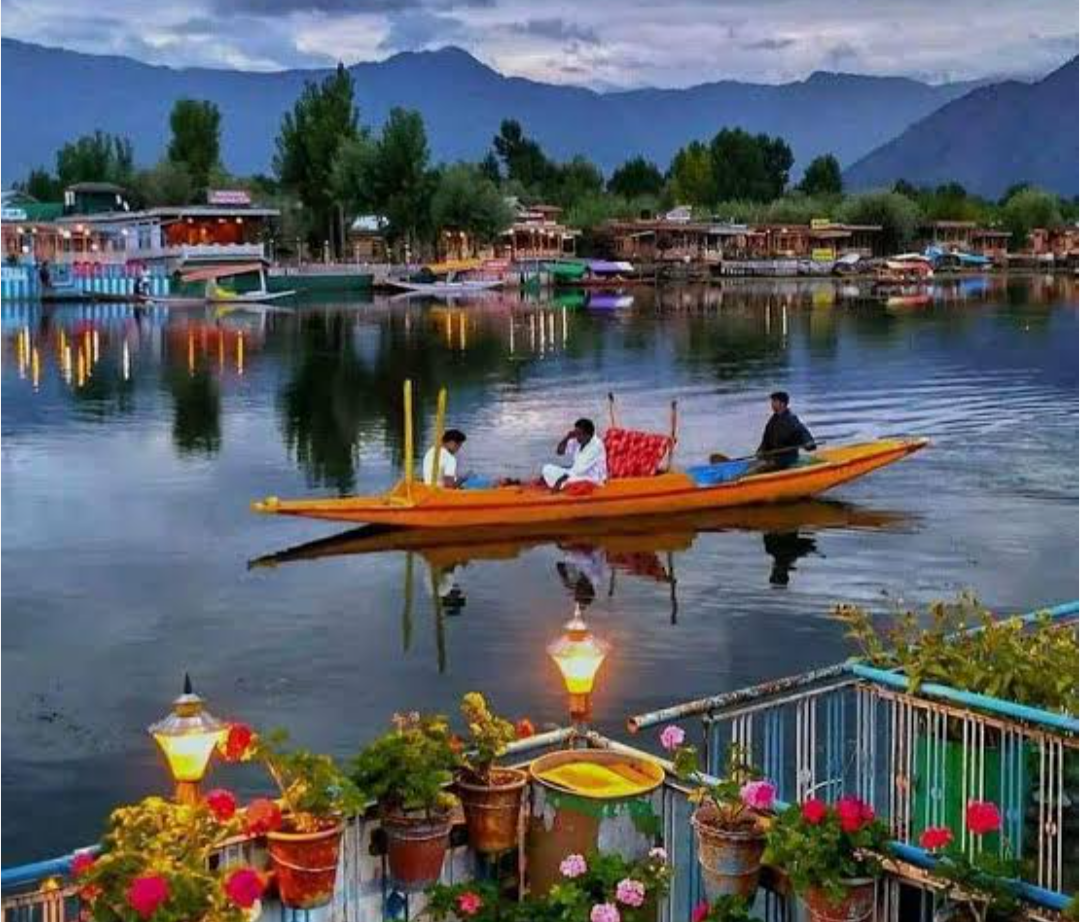
A Valley Shaped by Mountains, Cultures and Time
High in the northern part of the Indian subcontinent lies a beautiful land surrounded by the Himalayas. This land is known as Kashmir.
Today, Kashmir is famous for its mountains, lakes, gardens, forests and rich culture. But behind its natural beauty is a long and fascinating history. For thousands of years, Kashmir has been home to different communities, kingdoms, scholars, artists and travellers. Each period added something to the valley's culture and identity.
The story of Kashmir is therefore not the story of one ruler or one period. It is a story of people, ideas, cultures and changing times.
The Ancient Beginning
According to ancient traditions, Kashmir was once believed to have been a great lake. One famous legend tells of the sage Kashyapa, who is said to have drained the lake and made the land suitable for settlement.
Whether understood as mythology or cultural tradition, this story has remained an important part of Kashmir's historical heritage.
Archaeological discoveries show that human communities lived in the region thousands of years ago. Over time, Kashmir developed its own traditions of agriculture, art, religion and learning.
The valley also became an important centre of Sanskrit learning and philosophy.
Kashmir Under Ancient Kingdoms
During ancient times, several dynasties ruled Kashmir. Among the rulers remembered in historical traditions is Gonanda, although accounts of the earliest rulers contain a mixture of history and legend.
Later, Kashmir became associated with powerful dynasties such as the Karkotas.
One of the most famous rulers of this period was Lalitaditya Muktapida, who ruled during the eighth century. He is traditionally associated with the expansion and prosperity of the Karkota kingdom.
The famous Martand Sun Temple, near present-day Anantnag, is one of the most remarkable monuments connected with this period.
Its massive stone architecture still stands as a reminder of Kashmir's ancient artistic and architectural achievements.
Kashmir as a Centre of Knowledge
Ancient and medieval Kashmir became known for scholarship.
Philosophers, poets and scholars contributed to fields such as Sanskrit literature, philosophy, grammar and art.
One important intellectual tradition that developed in Kashmir was Kashmir Shaivism, a philosophical school that had a major influence on Indian thought.
Kashmiri scholars travelled beyond the valley, while scholars and travellers from other regions also came to Kashmir.
The valley was not isolated from the wider world. It was connected to different cultural and intellectual traditions through travel and trade.
The Medieval Period
As centuries passed, Kashmir experienced major political and cultural changes.
Islam gradually became an important part of Kashmiri society. The arrival and influence of Muslim scholars, Sufis and rulers contributed to the development of a distinctive cultural environment.
One of the most remembered figures in Kashmir's cultural history is Sheikh Noor-ud-din Noorani, also known as Nund Rishi.
He became an important spiritual figure associated with the Rishi tradition of Kashmir, which emphasized spirituality, simplicity and moral living.
Another influential figure was Lal Ded, the famous Kashmiri mystic poet. Her verses became an important part of Kashmiri cultural heritage.
The stories of Lal Ded and Nund Rishi are often remembered together because they represent Kashmir's long tradition of spiritual and cultural interaction.
The Sultanate of Kashmir
During the medieval period, Kashmir was ruled by several sultans.
One particularly important ruler was Zain-ul-Abidin, popularly remembered as Bud Shah, meaning "Great King."
He ruled during the fifteenth century and is remembered for encouraging art, learning and craftsmanship.
During his reign, traditions of handicrafts, literature and cultural exchange received encouragement.
Kashmir's famous crafts—including carpet making, woodwork and other forms of skilled craftsmanship—developed further over the centuries.
This period became an important chapter in the cultural history of the valley.
The Mughal Era
In the sixteenth century, Kashmir came under the influence of the Mughal Empire.
The Mughal emperor Akbar brought Kashmir under Mughal control in 1586.
The Mughals were deeply attracted to Kashmir's natural beauty.
Emperor Jahangir, who visited Kashmir several times, famously admired the valley's landscape. Mughal gardens were developed in and around Srinagar.
Gardens such as Shalimar Bagh and Nishat Bagh remain important examples of Mughal garden design.
The Mughal period connected Kashmir more closely with the political and cultural world of northern India.
The Afghan and Sikh Periods
After the decline of Mughal power, Kashmir passed through another period of political change.
In the eighteenth century, the region came under the control of the Durrani Afghan Empire.
The Afghan period lasted for several decades.
In the early nineteenth century, the political situation changed again. Sikh forces under Maharaja Ranjit Singh took control of Kashmir in 1819.
The valley then became part of the expanding Sikh Empire.
The Dogra Period
Another major turning point came in 1846.
Following the First Anglo-Sikh War, the Treaty of Amritsar was signed between the British and Gulab Singh, the Dogra ruler of Jammu.
Gulab Singh became the Maharaja of the princely state of Jammu and Kashmir.
The Dogra period lasted until 1947.
During this time, the princely state covered a very large and geographically diverse region, including mountains, valleys, plateaus and areas extending far beyond the Kashmir Valley itself.
Kashmir and the Year 1947
The year 1947 changed the political history of the Indian subcontinent.
British rule ended and British India was divided into India and Pakistan.
The princely states were given the choice to accede to India or Pakistan, taking various factors into consideration.
At that time, Maharaja Hari Singh was the ruler of Jammu and Kashmir.
In October 1947, armed tribesmen entered the princely state from the direction of Pakistan. Facing the crisis, Maharaja Hari Singh signed the Instrument of Accession to India on 26 October 1947.
India accepted the accession, and Indian troops were sent to the region.
This was followed by conflict between India and Pakistan.
The conflict became one of the most important and complicated disputes in South Asian history.
The Line of Control
A ceasefire eventually came into effect in 1949 under the involvement of the United Nations.
The territory remained divided between areas administered by India and Pakistan.
After the 1972 Simla Agreement, the ceasefire line was redesignated as the Line of Control (LoC).
The LoC remains one of the most sensitive military and political boundaries in the world.
Kashmir in Modern Times
The political history of Jammu and Kashmir continued to change after independence.
For decades, Jammu and Kashmir had a special constitutional position within India under Article 370.
On 5 August 2019, the Government of India announced major constitutional changes concerning Article 370.
The former state was reorganized into two Union Territories:
Union Territory of Jammu and Kashmir
Union Territory of Ladakh
This created a new phase in the constitutional and administrative history of the region.
More Than Politics
But Kashmir's history is much more than wars, rulers and political disputes.
It is also the history of ordinary people.
It is the story of farmers working in the fields, craftsmen creating beautiful handicrafts, poets writing verses, teachers passing knowledge to students, and families preserving traditions across generations.
Kashmir has produced a rich cultural heritage of music, poetry, handicrafts, food, architecture and languages.
The traditional Kashmiri language, along with other languages spoken across the region, reflects the diversity of its people.
The Spirit of Kashmir
Perhaps the most fascinating part of Kashmir's history is the way different traditions have interacted over centuries.
Ancient traditions, Buddhist influences, Hindu philosophy, Islamic scholarship, Sufi traditions and local customs have all contributed to the cultural landscape of the region.
This mixture created a distinctive cultural identity often associated with the idea of Kashmiriyat—a concept describing the shared cultural heritage and traditions of the people of Kashmir.
The meaning and interpretation of Kashmiriyat can differ, but the idea remains an important part of discussions about Kashmiri culture and history.
Kashmir Today
Today, Kashmir continues to attract people from around the world because of its extraordinary landscapes.
The Dal Lake, snow-covered mountains, green meadows, historic gardens and traditional handicrafts have made the region famous internationally.
But behind every beautiful landscape is a deeper story.
The ruins of ancient temples tell us about earlier civilizations.
The old mosques and shrines tell stories of later centuries.
The Mughal gardens remind us of imperial history.
The crafts of Kashmir demonstrate generations of knowledge passed from one artisan to another.
And the people of the region continue to carry these traditions into the future.
Conclusion
The history of Kashmir is a long journey through ancient civilizations, powerful kingdoms, spiritual traditions, cultural exchanges, empires, political changes and modern challenges.
It cannot be understood through a single story or a single period.
To understand Kashmir, we must look at its people, culture, geography and history together.
Kashmir's mountains have witnessed centuries of change, while its rivers and valleys have carried stories from one generation to another.
The past of Kashmir is complex, but it is also rich.
And perhaps the most important lesson its history gives us is that a land's history is ultimately created by the people who live there, the cultures they preserve, and the stories they pass on.